Forklift Training & Certification in Tulsa, Oklahoma
Forklift operator training and evaluations for Tulsa's barge terminals, aviation maintenance shops, appliance plants and fulfillment centers, delivered at your facility on your own trucks.
- OSHA Classes 1–7
- Training at Your Facility
- Hands-On Evaluations
- Certification Records
Forklift Operator Training in Tulsa
Tulsa is an inland river port. The Tulsa Port of Catoosa sits at the head of navigation of the McClellan-Kerr Arkansas River Navigation System, and its terminals handle fertilizer, steel, sand, rock, agricultural products and natural gas industry equipment. Moving steel, bagged fertilizer and heavy equipment between barges, rail cars and trucks puts large pneumatic-tire forklifts on outdoor docks and yards, where surfaces, weather and heavy loads all work against the operator.
Away from the river, the city's forklift work is just as varied. American Airlines runs what it calls the world's largest commercial aircraft maintenance base at Tulsa International Airport, Amazon opened a fulfillment center of nearly 2.5 million square feet in 2020, and Whirlpool builds cooking ranges in Tulsa and ships them from an 800,000-square-foot distribution center next to its plant. Engine shops, pick aisles and appliance docks each call for different trucks and different training.
BHG Forklift Training travels from Hannibal, Missouri to your Tulsa facility. We deliver the formal instruction, hands-on practice and workplace evaluation that 29 CFR 1910.178(l) requires, on the trucks your operators actually drive, so you can certify each one for the equipment and conditions in your building or yard. A port yard operator and an order picker in a fulfillment aisle need very different practical sessions, and we plan each visit around that.
Where Forklifts Work in Tulsa
Tulsa Port of Catoosa terminals
The Oklahoma Historical Society describes a 2,000-acre port handling fertilizer, sand, rock, steel, petroleum products and natural gas industry equipment. Outdoor dock and yard work runs mostly on Class 5 pneumatic-tire trucks, with long or unstable loads, uneven surfaces near the water and rail cars and barges being loaded close by.
American Airlines Tech Ops at Tulsa International Airport
American's Tulsa maintenance base sits on 330 acres at the airport with 3.3 million square feet of hangar and shop space, and in 2024 its engine shop was on track to overhaul 150 engines a year. Parts rooms and shops move engines, components and tooling with forklifts and tow tractors, often with top-heavy loads and crowded work areas.
Whirlpool range plant and distribution center
Whirlpool builds freestanding and slide-in ranges in Tulsa and opened an 800,000-square-foot factory distribution center next to the plant in 2020. Finished appliances are tall, boxed loads, so clamp or fork handling, stacking height and visibility when traveling loaded all belong in operator training.
Amazon fulfillment and sortation
Amazon opened a fulfillment center of nearly 2.5 million square feet in Tulsa in August 2020 and planned a 270,000-square-foot sortation center on North Mingo Avenue near the airport. Large volumes of pallet jack, reach truck and order picker work share aisles with foot traffic on every shift.
What Shapes Forklift Safety in Tulsa
NWS Tulsa climate normals show an average of 74 days a year at or above 90 degrees, most of them from June through August. On open port docks and yards, operators need water, rest and shade built into the shift, and propane cylinder changes should be planned out of the midday sun.
The same NWS data shows an average of 71.9 days a year at or below freezing. The December 2007 ice storm coated much of Oklahoma, including the Tulsa corridor, with over an inch of ice, and more than 641,000 electric customers lost power statewide. Ice on dock plates, ramps and barge decks demands slower travel and clear rules on when outdoor forklift work stops.
Oklahoma private employers are under federal OSHA, so 29 CFR 1910.178 applies as written: operators must be trained on the truck types they use, get refresher training when assigned a different type of truck or after an accident or near miss, and be evaluated at least every three years.
Forklift Classes Tulsa Employers Need Most
All forklift classes- Class V: Outdoor Pneumatic Tire Forklift TrainingCertification for outdoor forklifts with pneumatic tires and engines.
- Class II: Narrow Aisle Forklift TrainingTraining for narrow aisle lift trucks used in tight warehouse layouts.
- Class III: Electric Pallet Jack & Walkie TrainingCertification for electric pallet jacks and walk behind lift equipment.
- Class VI: Tow Tractor & Pulling System TrainingTraining for tow tractors and powered pulling equipment systems.
Tulsa Forklift Training Questions
We get a lot of the same great questions from new clients. Here are the answers to the ones we hear most often — if yours isn't listed, don't hesitate to reach out directly.
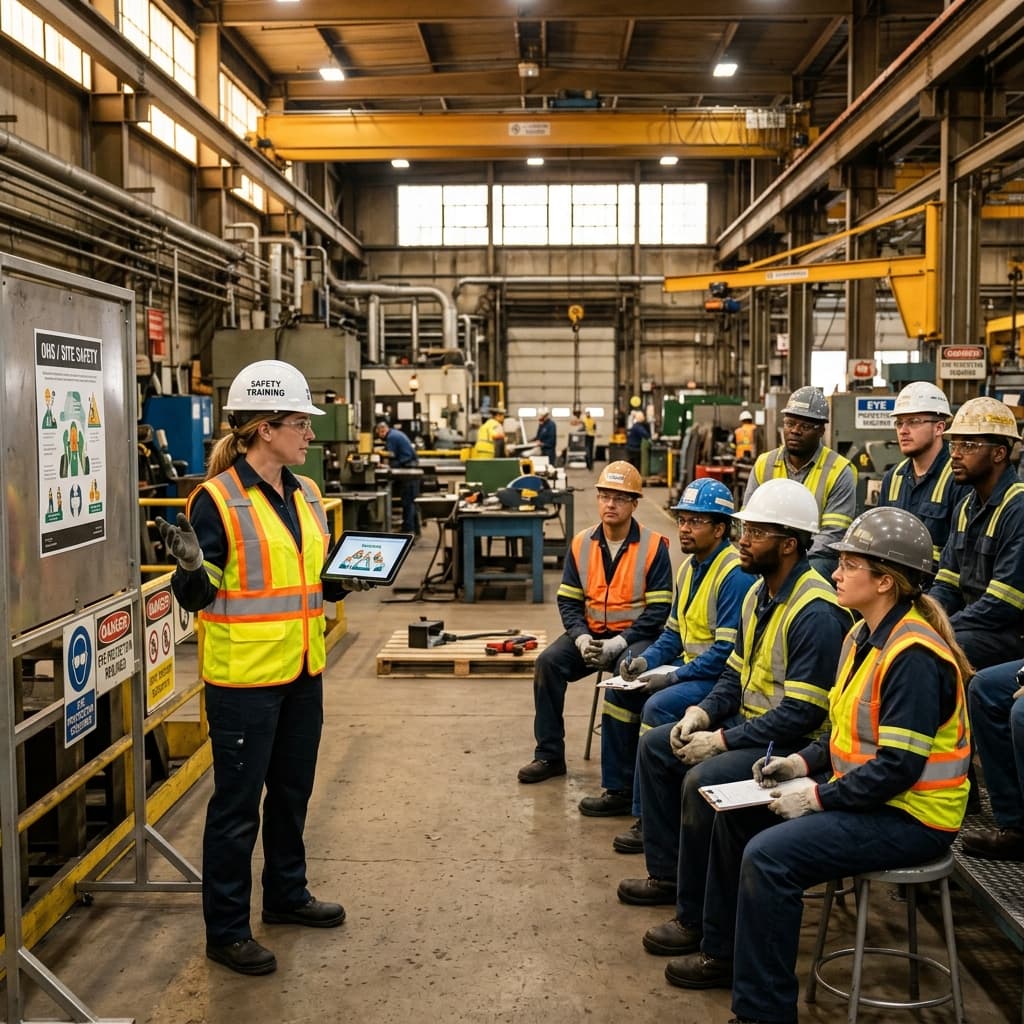
Onsite Forklift Training Session
Your Safety. Our Mission.
BHG Forklift Training trains and evaluates forklift operators at your facility, on your own trucks. Our instructors bring decades of hands-on experience in warehouses, distribution centers, manufacturing plants and construction sites.
Our approach is simple: we listen first. Every facility has its own trucks, layout and traffic patterns. We build each session around your equipment, your aisles and docks, and your shifts — so your operators train for the work they actually do.
From Class 1 electric riders in the warehouse to Class 7 rough terrain forklifts on the job site, we cover every OSHA truck class, from our base in Hannibal, Missouri to employers across 17 states in the Midwest and South, in English or Spanish.
Get in Contact with us Here!
Fill out the form below and we'll be in touch within one business day.