Forklift Certification Training for OSHA Classes 1–7
Onsite operator training and evaluations on the trucks your team actually drives.
OSHA's powered industrial truck standard, 29 CFR 1910.178(l), requires every forklift operator to be trained and evaluated before operating on their own, and re-evaluated at least every three years. We deliver all of it at your facility.
What OSHA Requires of Every Operator
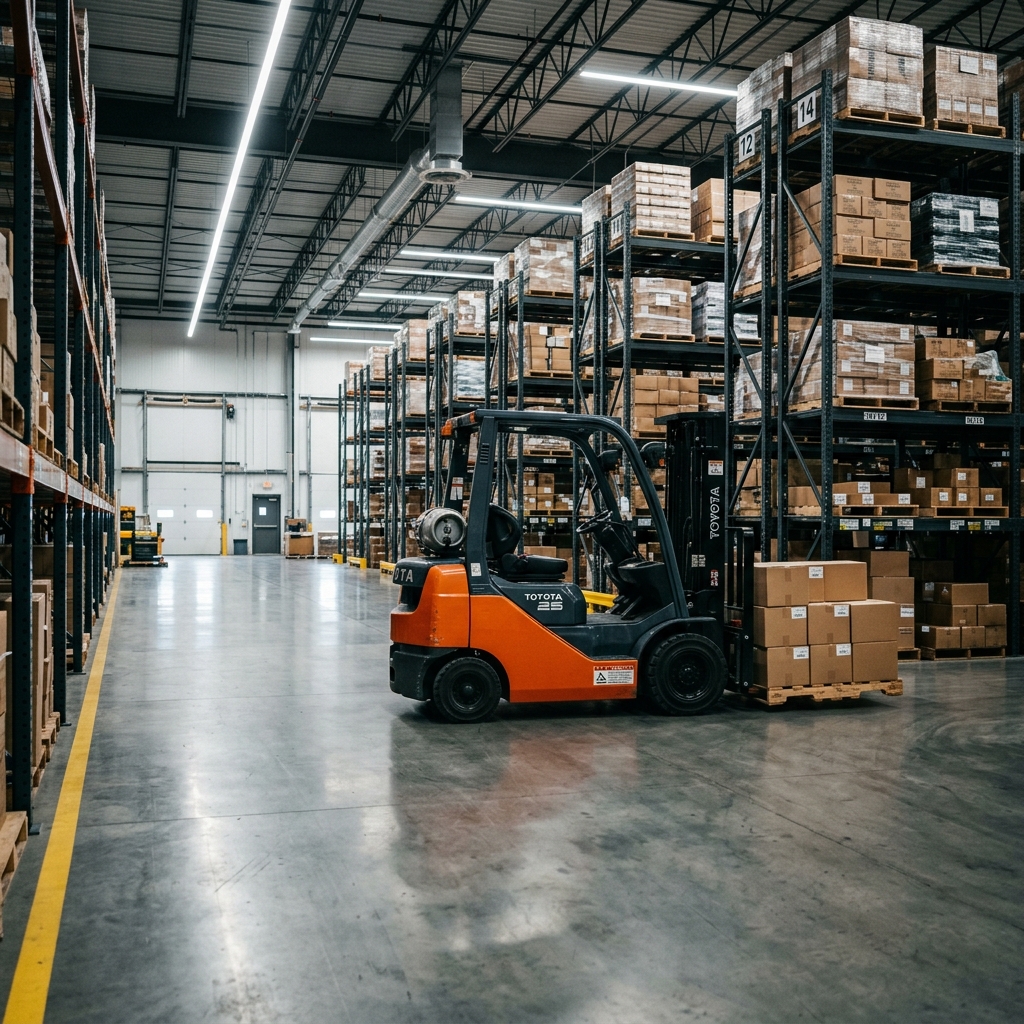
Forklift certification is not a card an operator carries from job to job. Under OSHA's rule, the employer certifies that each operator has been trained and evaluated on the trucks and conditions of that workplace. Training has to cover both the truck (its controls, capacity, stability and inspection) and the workplace (surfaces, ramps, pedestrian traffic, narrow aisles and ventilation). We build each session around both.
Formal instruction
Classroom-style teaching on truck controls, stability, capacity, inspection and the hazards of your workplace, delivered at your site.
Practical training
Hands-on demonstrations and exercises on the type of truck each operator will use, in the aisles, docks and yards where they work.
Workplace evaluation
An evaluation of each operator's performance in the workplace, with the details the employer needs for its certification record.
Refresher training is required when an operator is seen operating unsafely, has an accident or near-miss, is assigned a different type of truck, or when workplace conditions change. Not sure which class your trucks fall into? Tell us what you run and we'll match the training to it.
Forklift Operator Certification
Professional OSHA-compliant forklift training for Classes I through VII. Select a class to enroll.
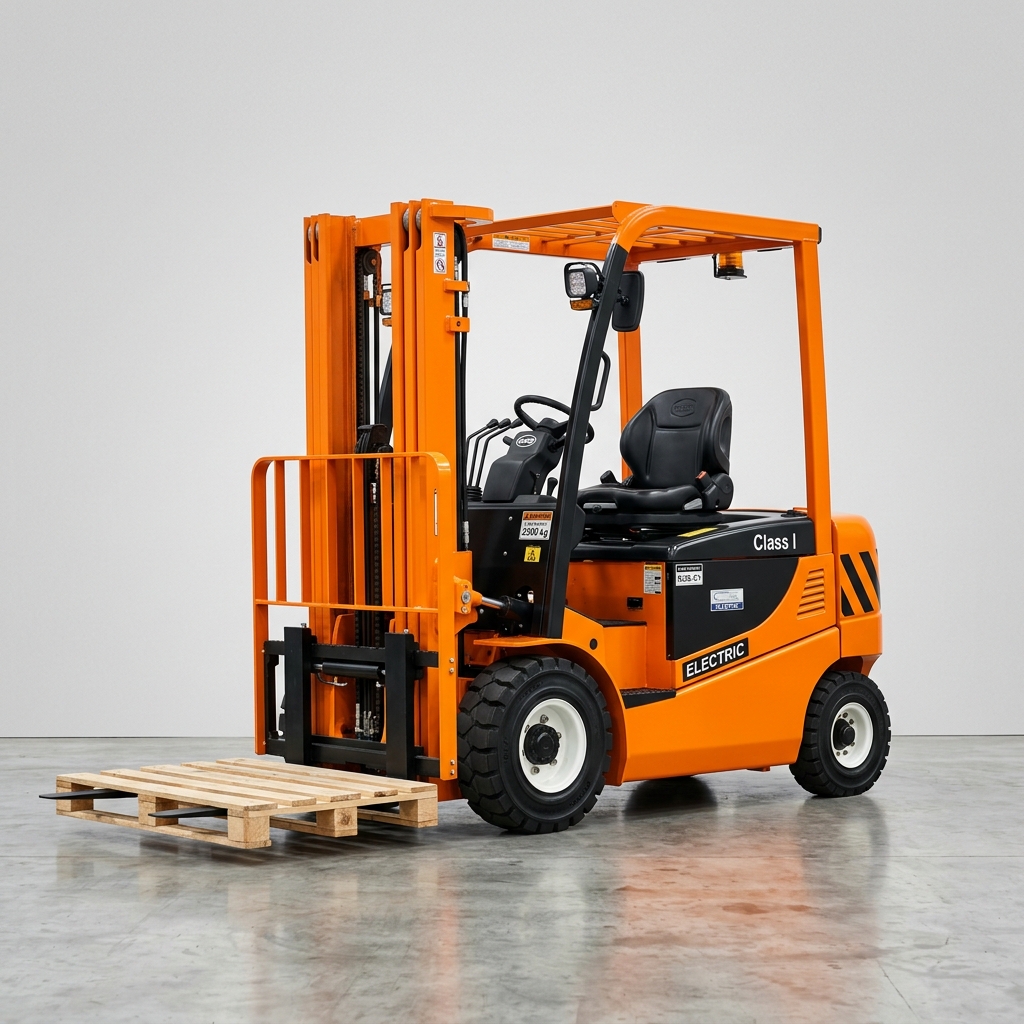
CLASS I FORKLIFT TRAINING
Designed for electric rider forklifts used in warehouses and distribution centers.
- Equipment controls and safe operation
- Load handling and stability rules
- OSHA operator certification
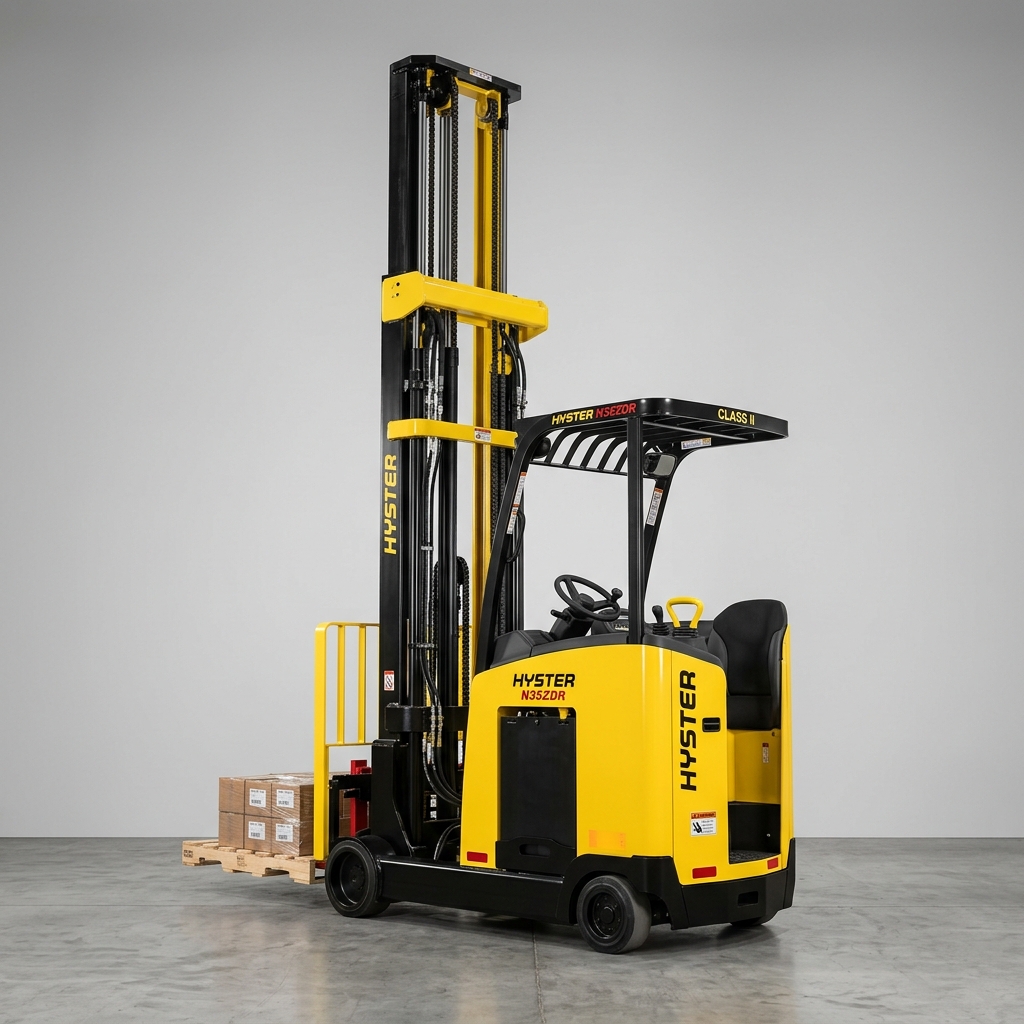
CLASS II FORKLIFT TRAINING
Training for narrow aisle lift trucks used in tight warehouse layouts.
- Narrow aisle maneuvering skills
- Rack and pallet safety methods
- OSHA operator certification
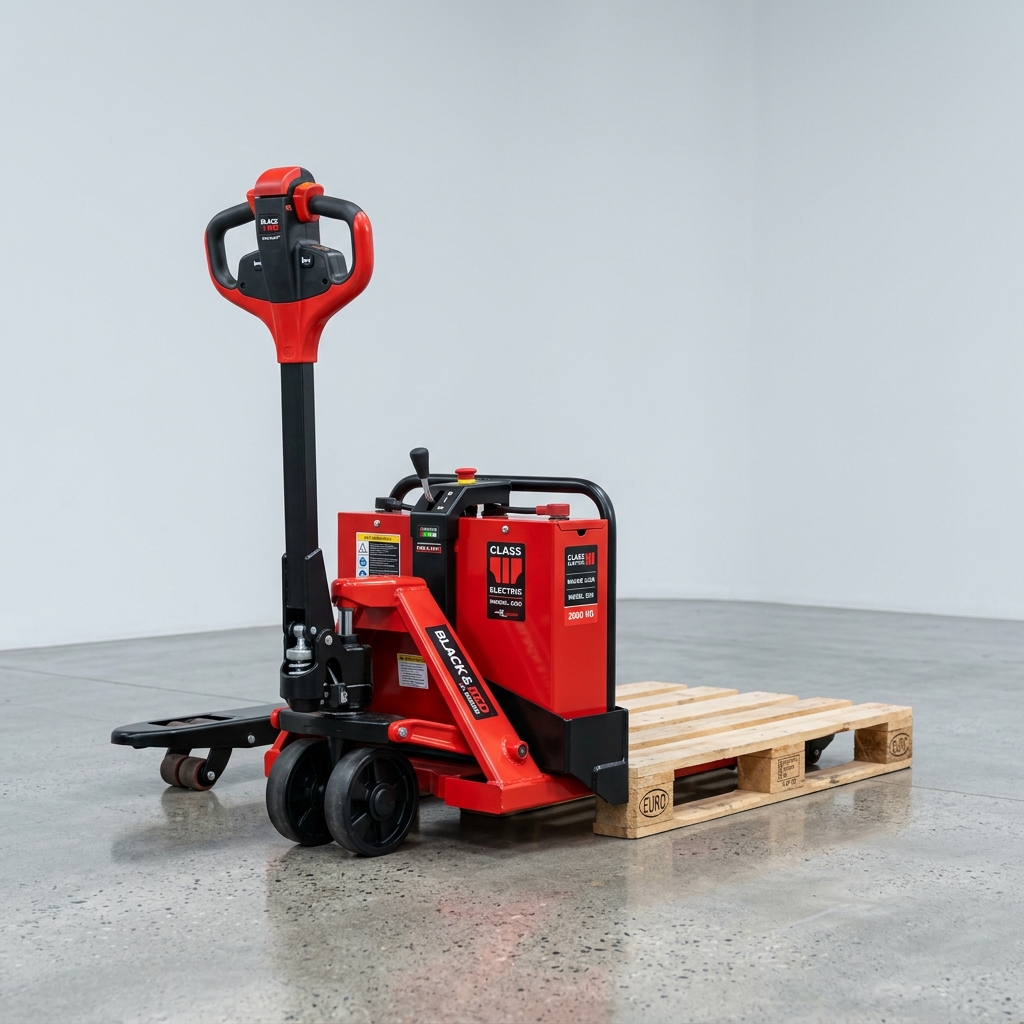
CLASS III FORKLIFT TRAINING
Certification for electric pallet jacks and walk behind lift equipment.
- Walk behind control training
- Safe travel and stopping steps
- OSHA operator certification
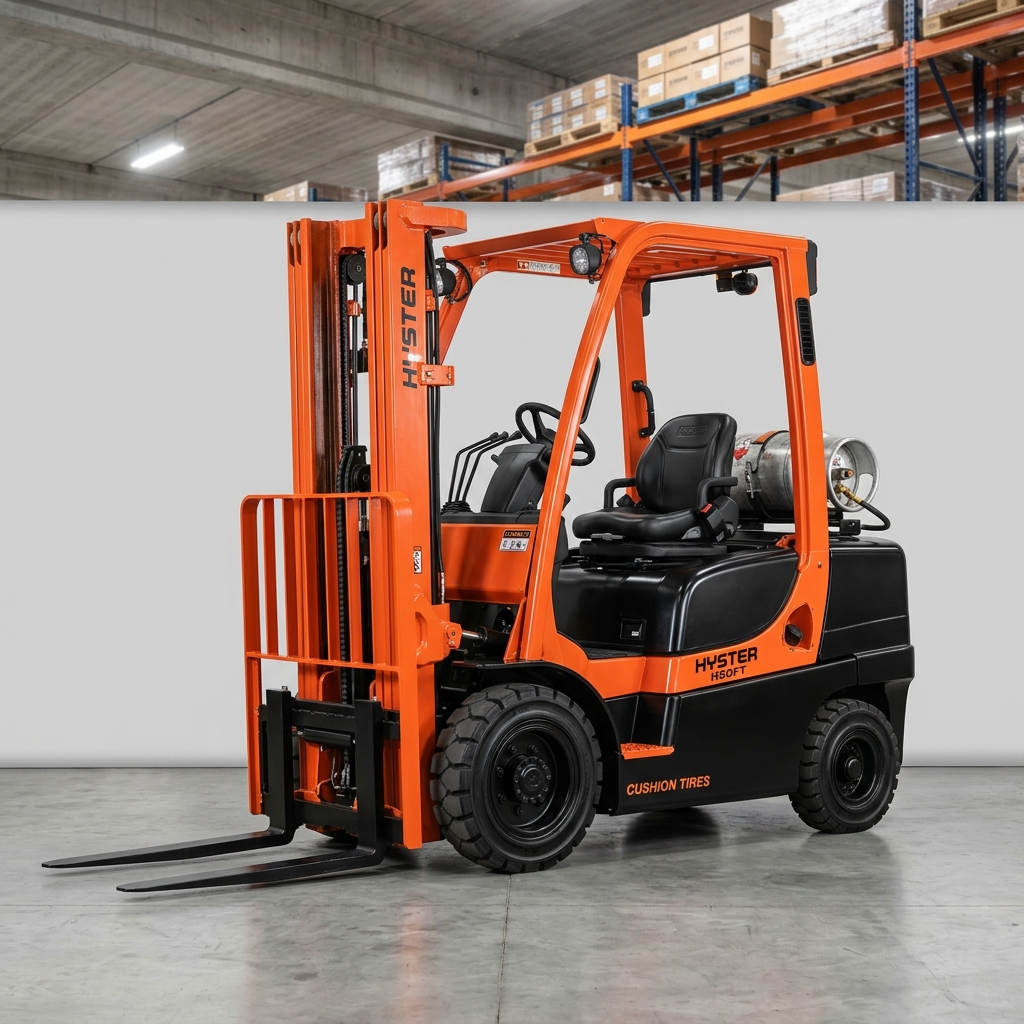
CLASS IV FORKLIFT TRAINING
Training for indoor engine powered forklifts with cushion tires.
- Fuel powered truck operation
- Indoor surface safety rules
- OSHA operator certification
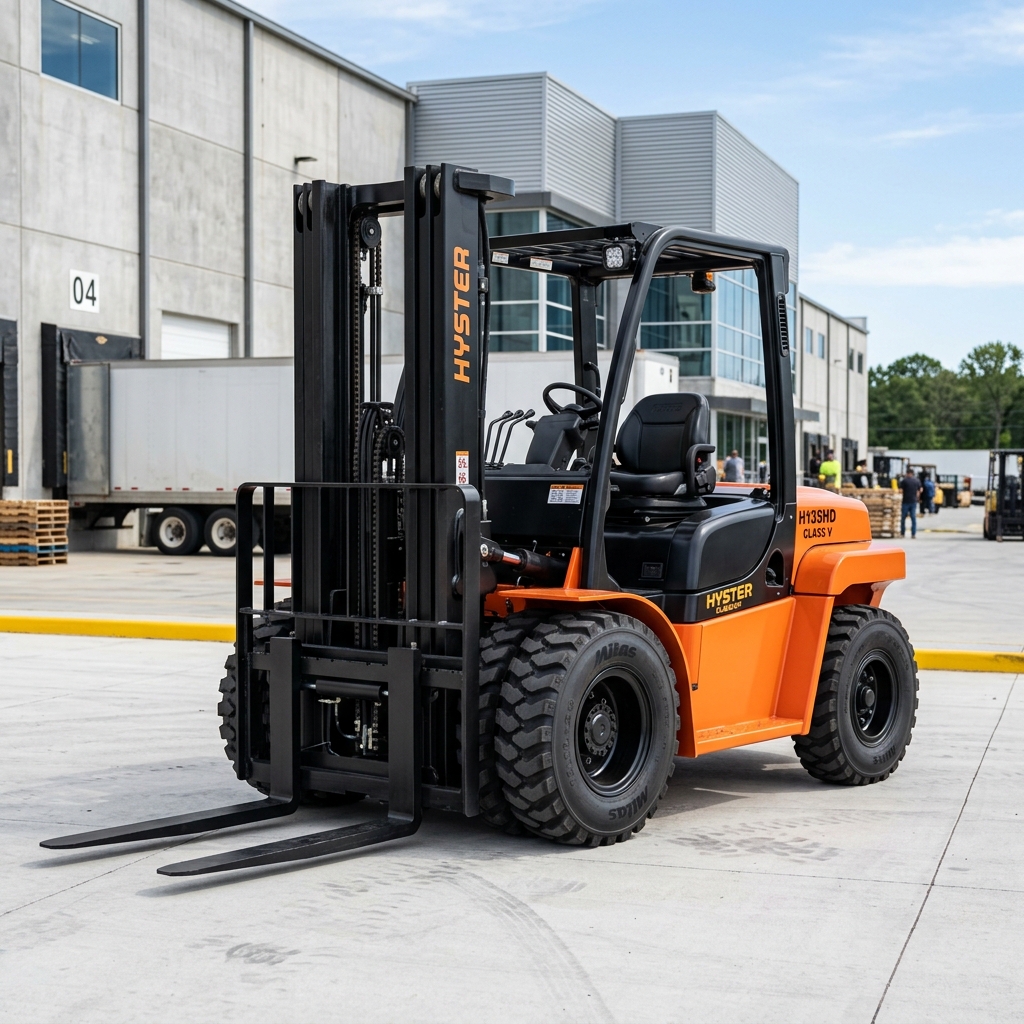
CLASS V FORKLIFT TRAINING
Certification for outdoor forklifts with pneumatic tires and engines.
- Outdoor terrain operation
- Load balance and visibility
- OSHA operator certification
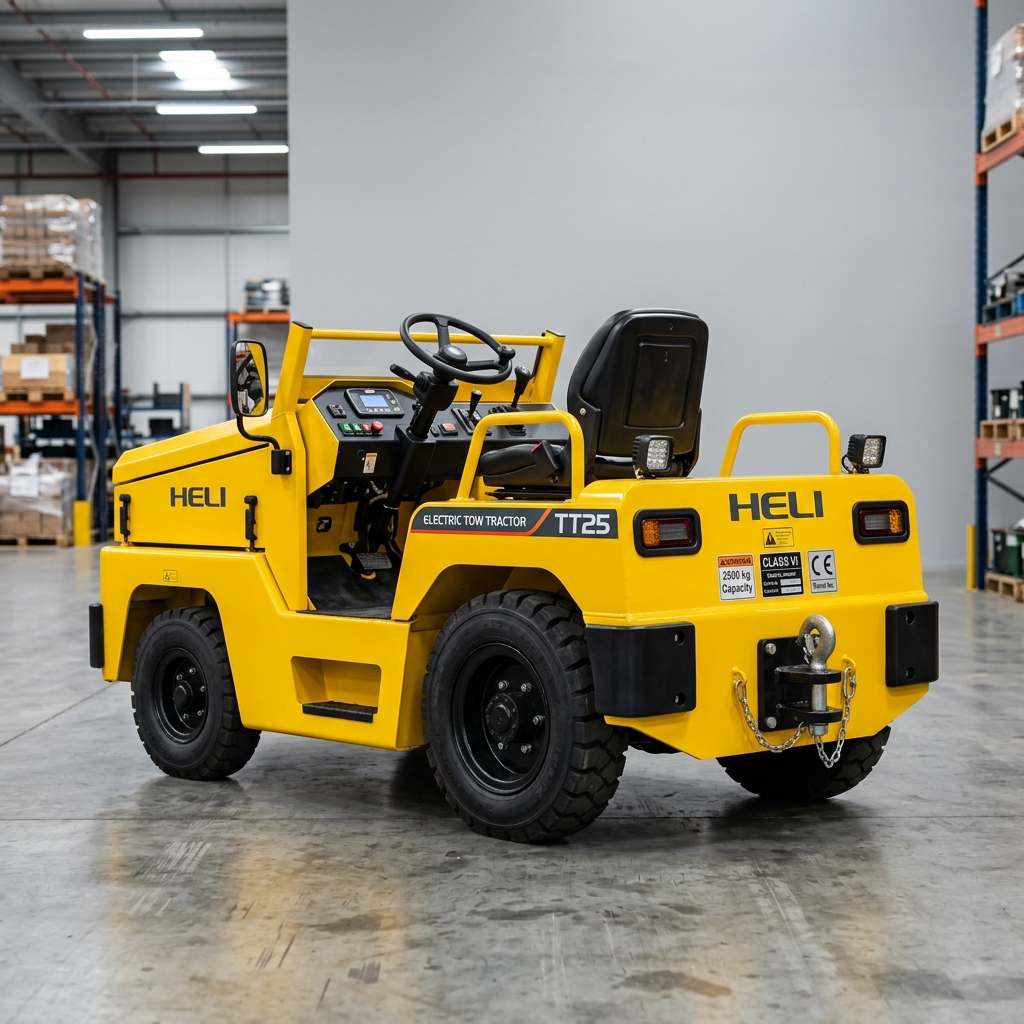
CLASS VI FORKLIFT TRAINING
Training for tow tractors and powered pulling equipment systems.
- Towing limits and control
- Hitching and route safety
- OSHA operator certification
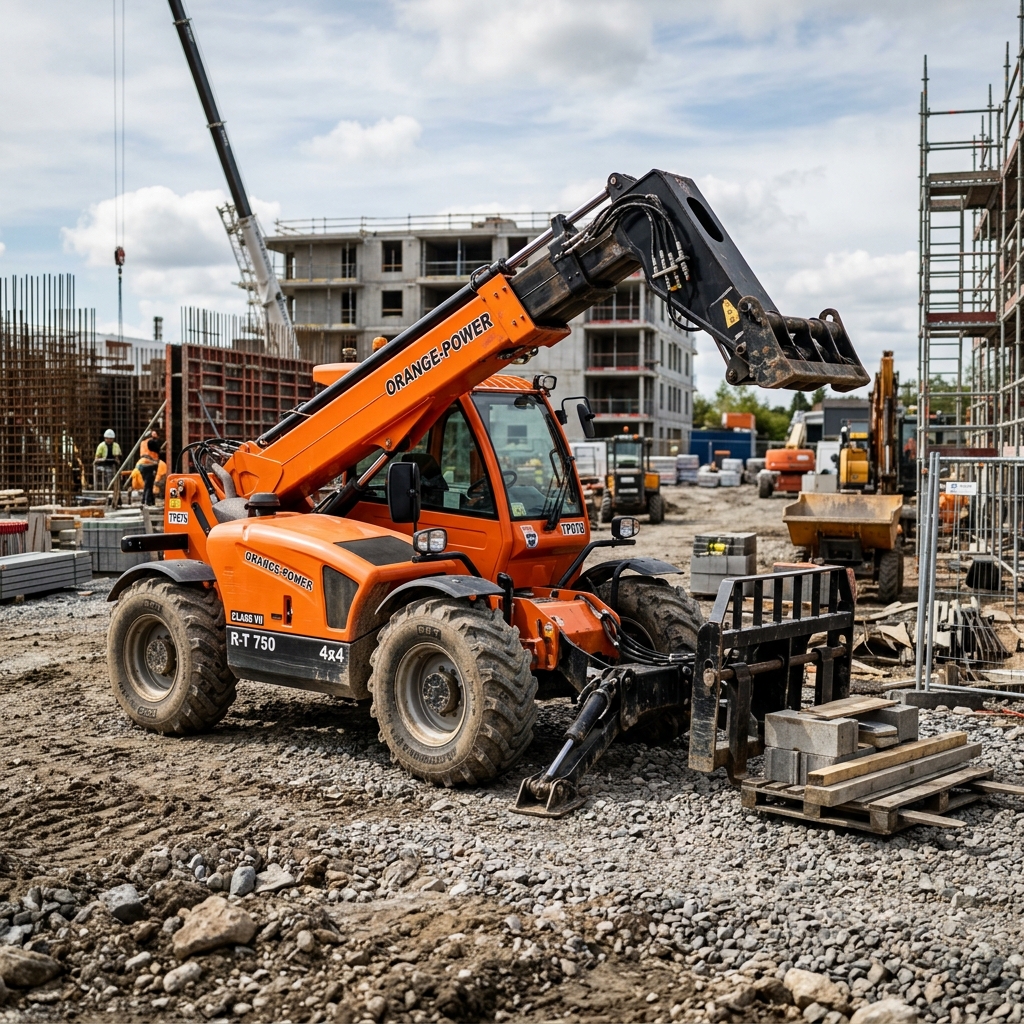
CLASS VII FORKLIFT TRAINING
Certification for rough terrain forklifts used on construction sites.
- Uneven ground operation
- Lift and reach precautions
- OSHA operator certification
Forklift Training Questions
We get a lot of the same great questions from new clients. Here are the answers to the ones we hear most often — if yours isn't listed, don't hesitate to reach out directly.
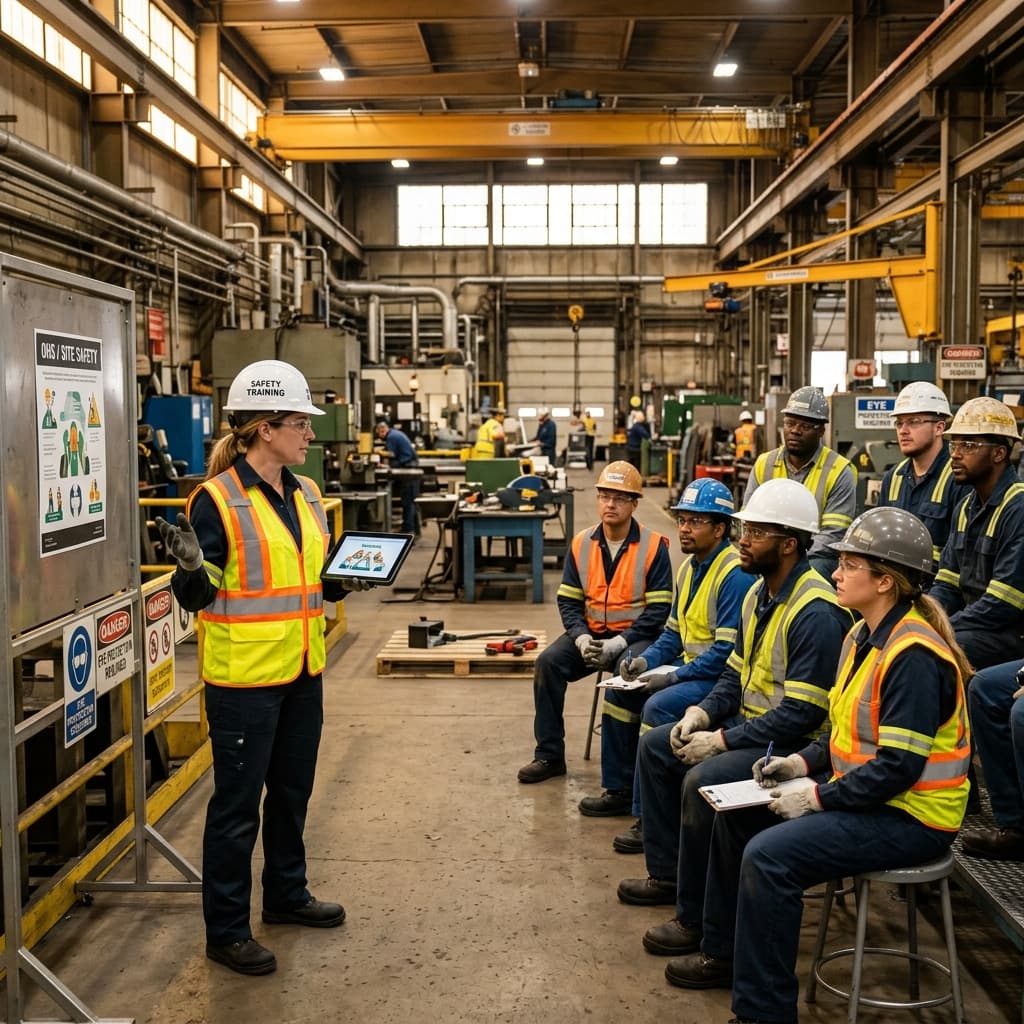
Onsite Forklift Training Session
Forklift Certification Guides
- Forklift Pedestrian Safety: How to Keep People and Trucks ApartHow to keep workers on foot safe around forklifts: what OSHA requires, how to lay out aisles and crossings, and the habits operators and pedestrians both need.
- The Forklift Stability Triangle: How Forklifts Tip, and How the Data Plate Prevents ItHow the forklift stability triangle works, why trucks tip forward or sideways, and how to read the data plate and load center to know what a truck can lift.
- Forklift Train the Trainer: What OSHA Expects From an In-House Forklift TrainerWhat OSHA requires of the person who trains and evaluates your forklift operators, what a train-the-trainer course can and can't do, and how to pick a trainer.
- Telehandler Certification: What OSHA Requires and How Training WorksTelehandlers are forklifts under OSHA's rules, so operators need truck-specific training and an evaluation. Here's what telehandler certification requires.
- Forklift Inspection Checklist: The Daily Pre-Shift Check, Item by ItemA complete daily forklift inspection checklist: what OSHA requires, the key-off visual check, the running check and extra items for electric and propane trucks.
- How Long Is Forklift Certification Good For?OSHA requires a forklift operator evaluation at least every three years, and refresher training sooner in five situations. Here's what that means.
- How to Get Forklift Certified: A Step-by-Step GuideThere is no state forklift license. Here is how forklift certification actually works, step by step, for employers and for operators looking for work.
- Online Forklift Certification: What It Covers and What It Can'tOnline courses can cover the classroom part of forklift training. OSHA still requires hands-on practice and a workplace evaluation no website can do.